# How to use sections

Broadcast comes complete with 30+ professional theme sections to help you merchandise your online store. Sections can be added to any page on your store.&#x20;

Discover the complete range of sections and their settings. Experiment by adding different types of sections and section blocks to the homepage and the other pages within your store.&#x20;

<details>

<summary><strong>Advanced</strong></summary>

* Custom section
* Multi column

</details>

<details>

<summary><strong>Banners</strong></summary>

* Banner with video
* Image banner
* Image with scrolling text
* Slideshow (Legacy)
* Slideshow (Nested)
* Video

</details>

<details>

<summary><strong>Collections</strong></summary>

* Collection links: spotlight
* Collection list
* Collection list hover
* Featured collection
* Tab collections

</details>

<details>

<summary><strong>Forms</strong></summary>

* Contact form
* Newsletter

</details>

<details>

<summary><strong>Layout</strong></summary>

* Custom code
* Divider

</details>

<details>

<summary><strong>Products</strong></summary>

* Featured product
* Image with product
* Product
* Product with image
* Recently viewed products
* Shop the look
* Text with products

</details>

<details>

<summary><strong>Storytelling</strong></summary>

* Accordion
* Accordion group
* Before and after
* Blog posts
* Featured blog posts
* Image with text
* Image with text slider
* Map
* Press logos
* Social videos
* Testimonials
* Text columns with icons
* Text columns with images
* Timeline

</details>

<details>

<summary><strong>Text</strong></summary>

* Countdown timer
* Highlights
* Rich text
* Rich text columns
* Scrolling text
* Slidebar
* Text promo

</details>

{% hint style="success" %}
These sections can be placed on any page including:

* Homepage
* Product pages
* Collection pages and Collection list
* Blog index and Blog posts
* Shopify pages
* 404 error page, Search page, Password page
* Cart page
  {% endhint %}

### Section settings

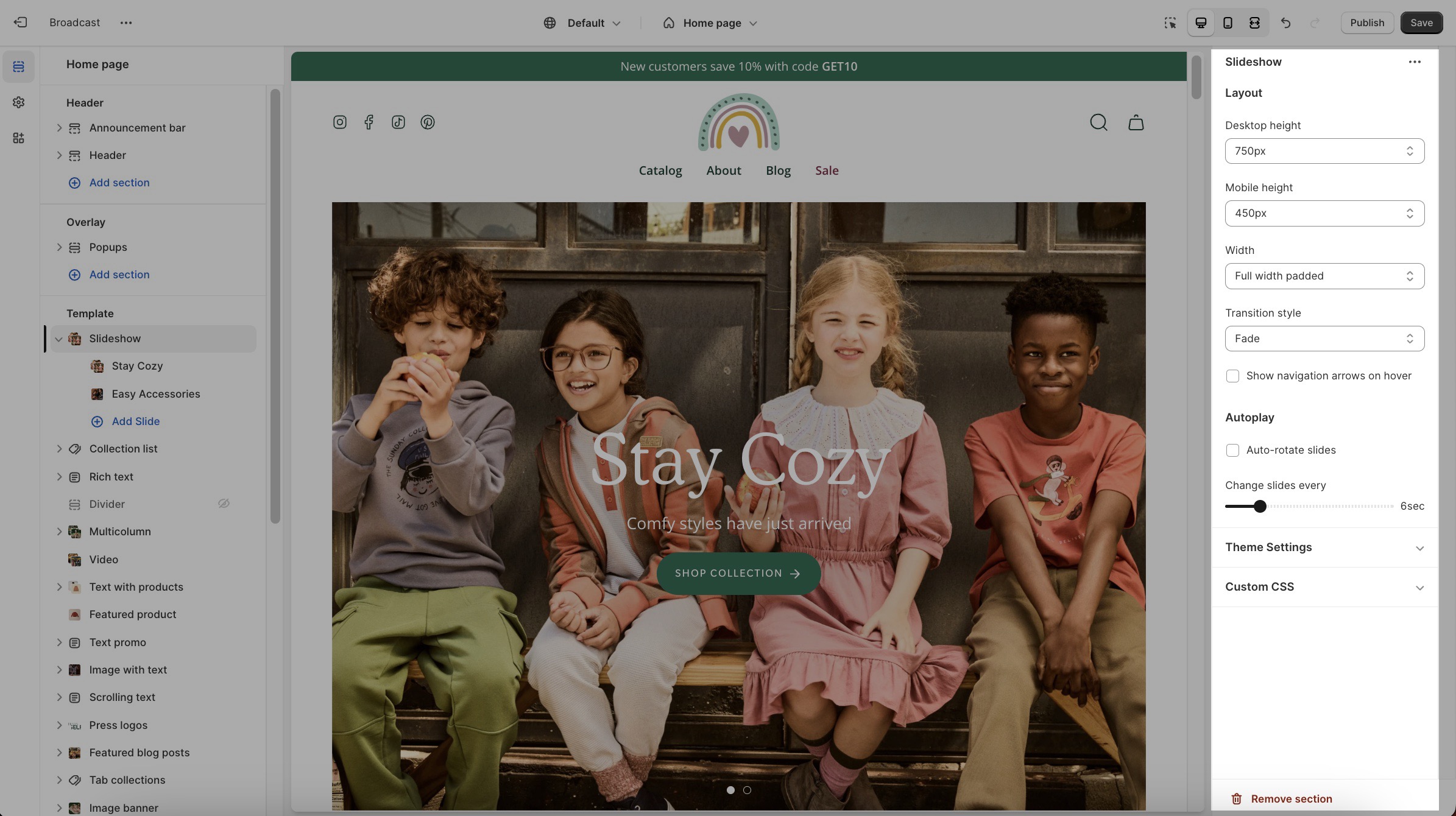
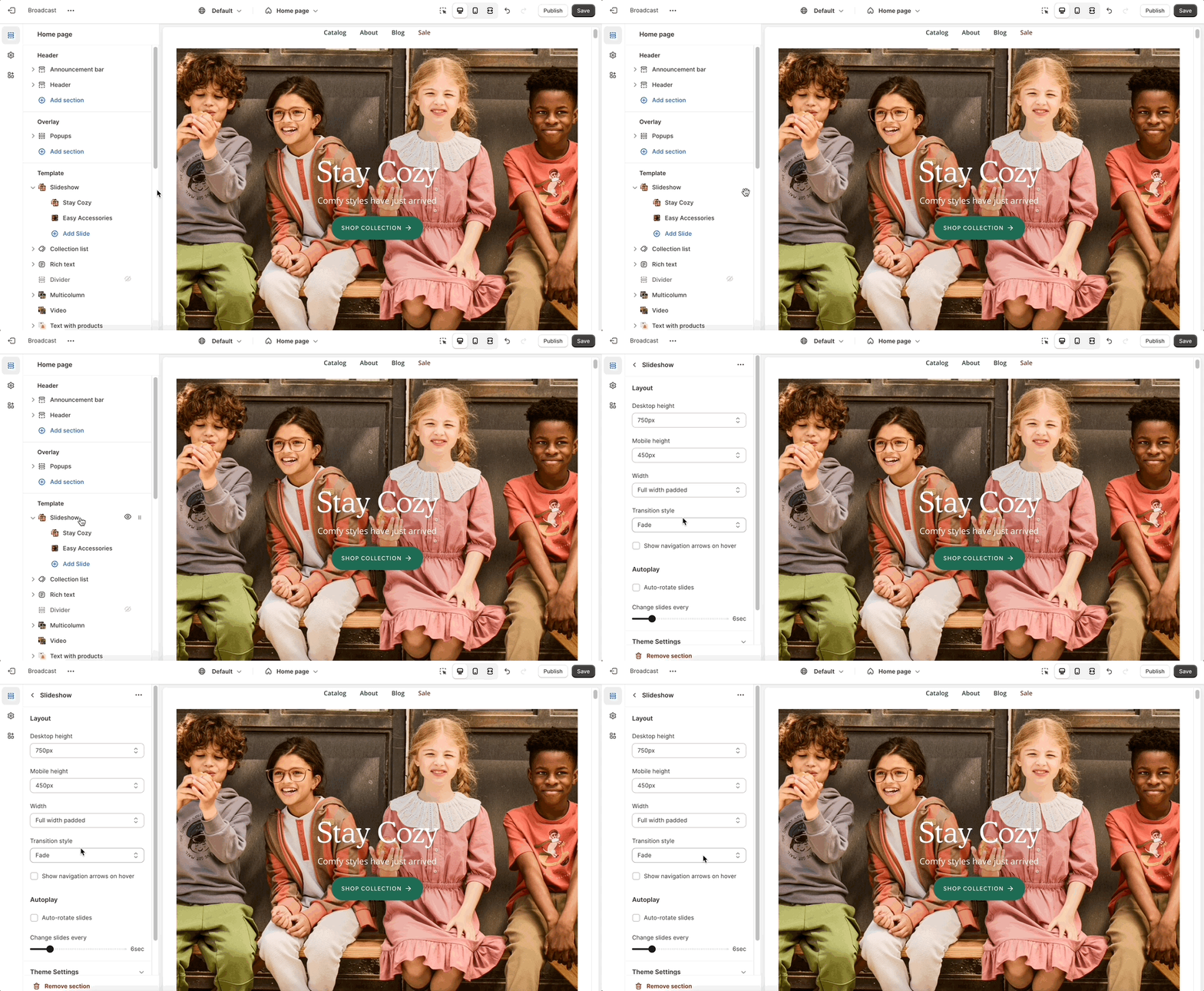
To find the primary settings for each section, click on the section name to view the settings panel. These settings control&#x20;

<figure><img src="/files/5mPMMfuYRH5z5eDxFyES" alt=""><figcaption><p>Choose from different settings to customize how the entire section looks and behaves.</p></figcaption></figure>

Wider desktop screens will display the settings panel on the **right side** of your screen:

<figure><img src="/files/PMdGF3UP5QYhfsmmfvGM" alt=""><figcaption><p>Browsers 1600px and wider will place the settings on the right</p></figcaption></figure>

### Adding a section

{% tabs %}
{% tab title="Home page" %}
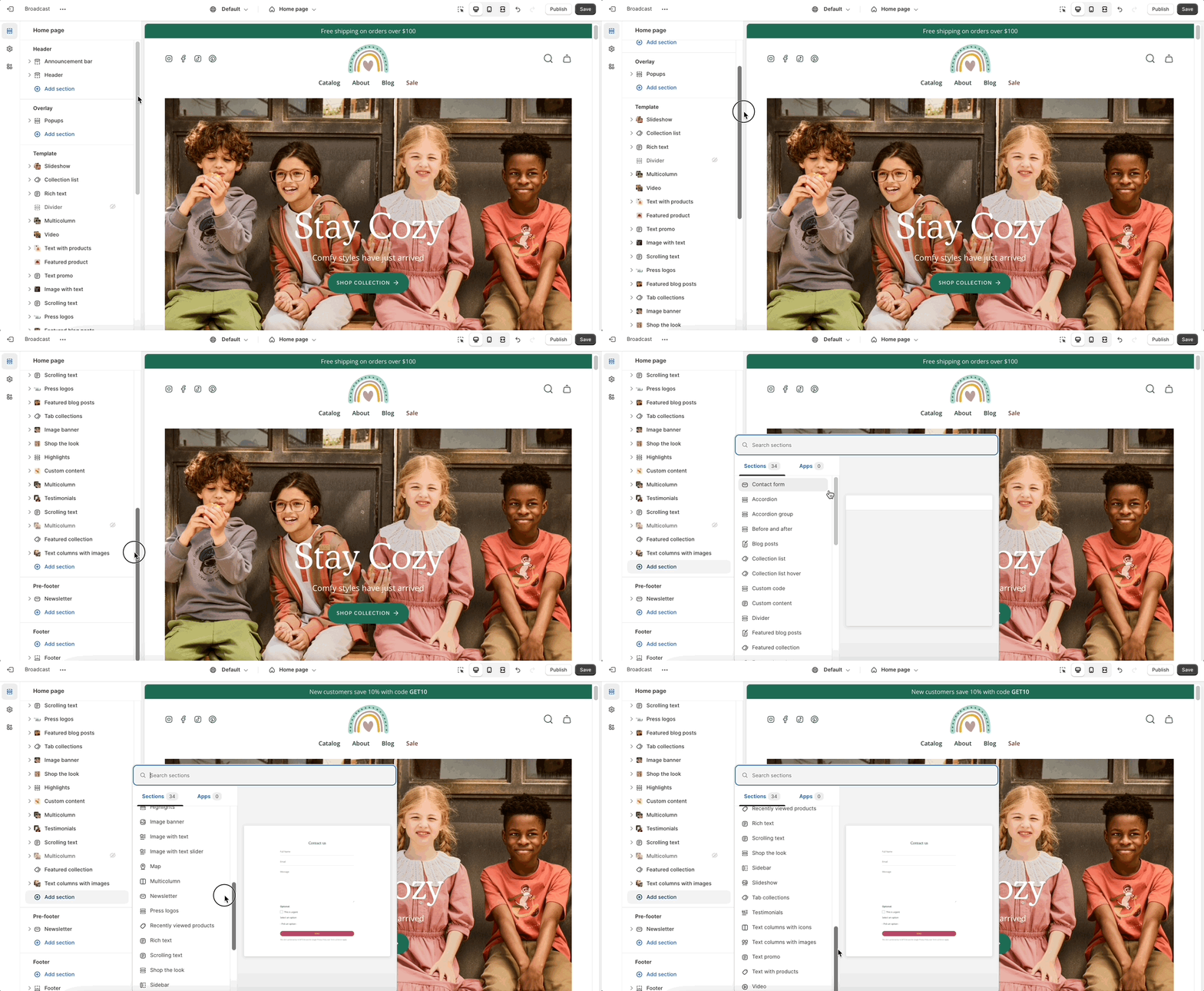
Scroll towards the bottom, above Footer and Popups. Choose **Add section**:

<figure><img src="/files/fcWRyyAXwAGKTP8C0cAQ" alt=""><figcaption></figcaption></figure>
{% endtab %}

{% tab title="Product page" %}
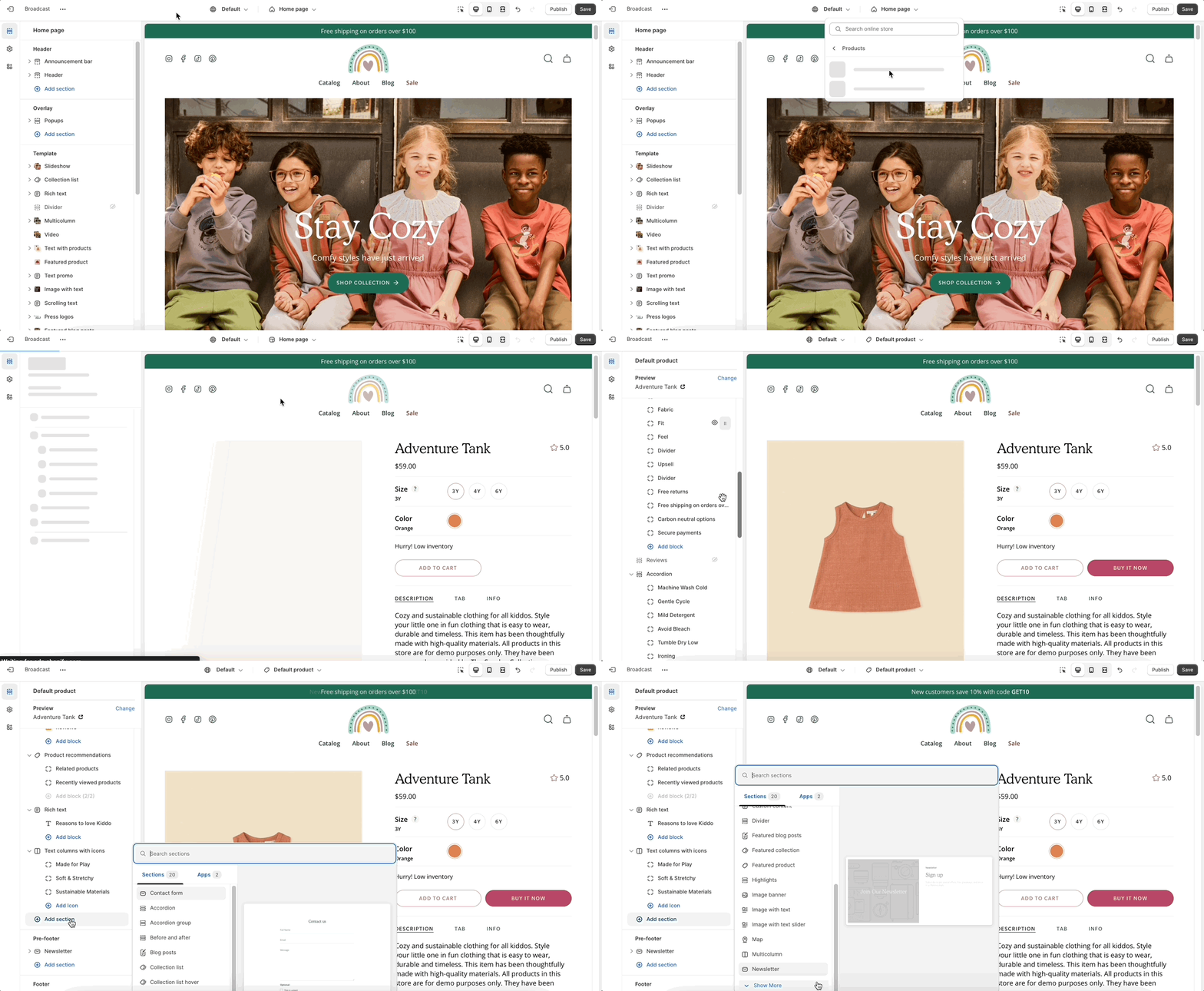
Navigate to any product page or choose the default product template. Use **Add section** located above the Footer and Popups:

<figure><img src="/files/kMVvUezJdrwmLiEeRYrK" alt=""><figcaption><p>Click on Show more to view additional sections.</p></figcaption></figure>

{% hint style="info" %}
When adding sections to the default product template, the sections and their content will appear on all your product pages.&#x20;

To provide unique content for certain products, create a new template and assign a product to that template. All products using that template will have the same section content but will be different from the default template. Always create new templates on the ***live published theme*** for them to appear as options in your product setup.

Another method is to use Shopify's ***insert dynamic source*** option (metafields) to blocks and then customize content for each product in your product setup.
{% endhint %}
{% endtab %}

{% tab title="Other pages" %}
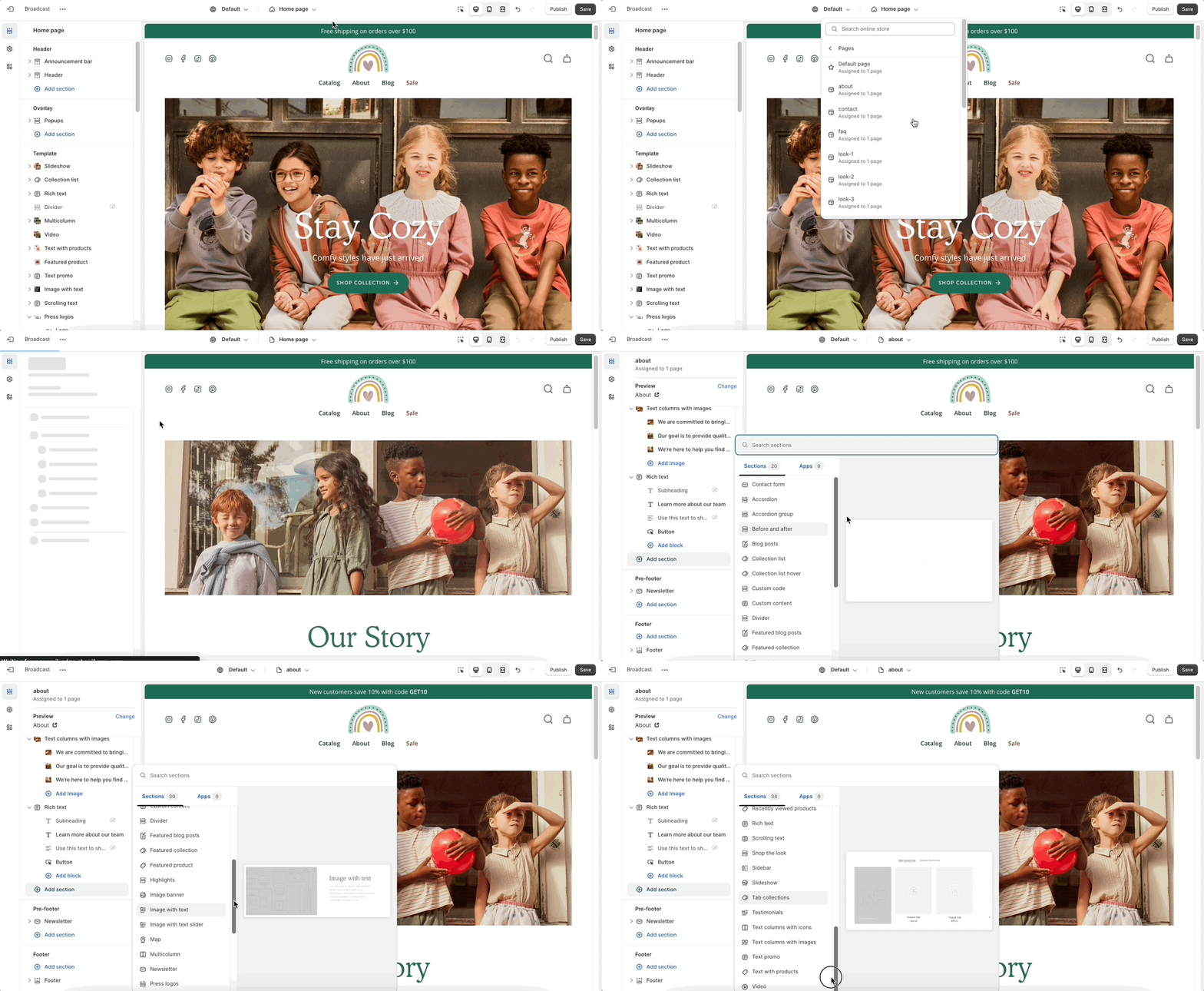
Navigate to any page on your site or choose any template from the top drop-down. Choose **Add section**, which is located above the Footer and Popups on the left panel:

<figure><img src="/files/uXjvnGRAjzh2DJnPJPVX" alt=""><figcaption><p>Click on Show more to view additional sections.</p></figcaption></figure>

{% hint style="info" %}
When adding a section to a certain template. The same content will appear on all pages that are also using that template.&#x20;

You can create additional templates such as a new page template or collection template and then assign a page or collection to that new template. This will allow you to create multiple pages with different content.&#x20;

Experiment with creating and customizing new templates in the Theme Editor. As a second step, remember to assign that template to a certain page or collection.&#x20;

For example, create a new collection template to display a different layout and include different sections. Then in the Shopify Admin under Products -> Collections, choose your collection and assign the newly created template to that collection.&#x20;

🚨 **Important tip**: New templates must be created on the published theme. They will not appear as a template option for assignments if created in a draft theme. This is a Shopify  Platform restriction. Always make new templates on the live published theme.&#x20;
{% endhint %}
{% endtab %}
{% endtabs %}

### Hiding a section

Use the eye icon next to the section title to toggle the display of the entire section:

<figure><img src="/files/r7dOxpoQD3EGrFwFk1Hf" alt=""><figcaption></figcaption></figure>

> **Tip** - Blocks have their own eye icon, be sure to select the section eye icon to toggle display of the entire section.

### Reordering sections

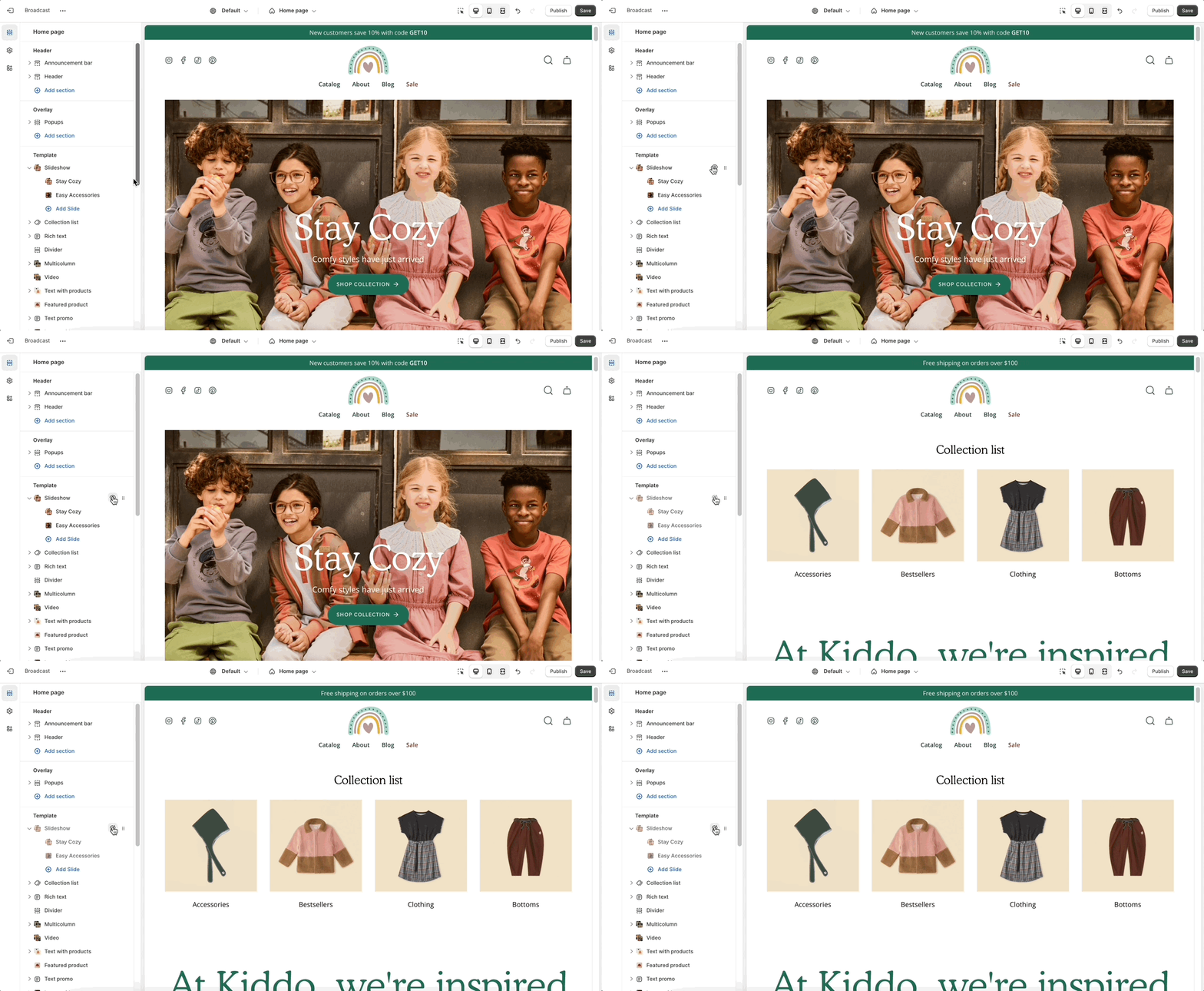
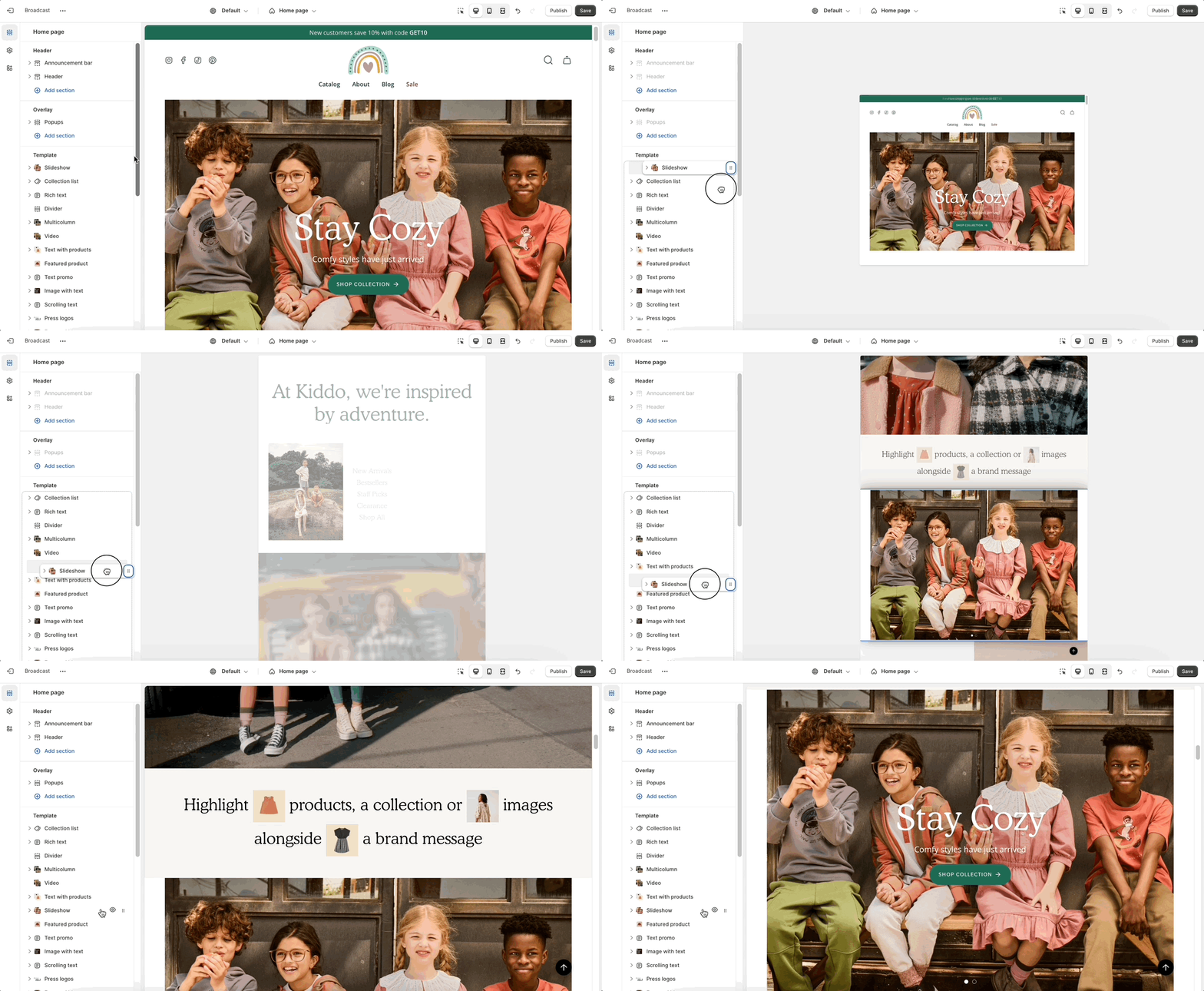
Use the handle icon which is located next to the eye icon to drag a section and drop it in a new position:

<figure><img src="/files/7Ke3xgws48swwKF36mNZ" alt=""><figcaption></figcaption></figure>

Helpful when adding new sections as they appear at the bottom of your section list.

{% hint style="success" %}
Sections contain content and settings. Experiment with different section types to add rich content on the homepage and all pages within your site. Use the settings to adjust behavior and layout.
{% endhint %}


---

# Agent Instructions: Querying This Documentation

If you need additional information that is not directly available in this page, you can query the documentation dynamically by asking a question.

Perform an HTTP GET request on the current page URL with the `ask` query parameter:

```
GET https://broadcast.presidiocreative.com/faq/frequently-asked-questions/how-to-use-sections.md?ask=<question>
```

The question should be specific, self-contained, and written in natural language.
The response will contain a direct answer to the question and relevant excerpts and sources from the documentation.

Use this mechanism when the answer is not explicitly present in the current page, you need clarification or additional context, or you want to retrieve related documentation sections.